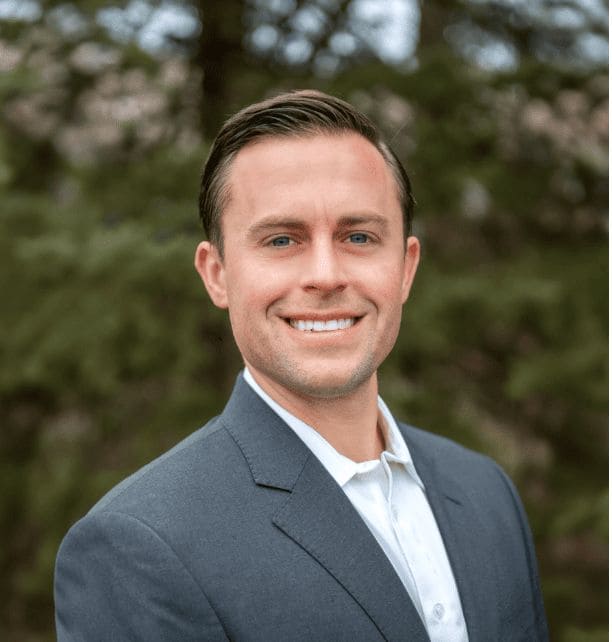
Dr. David Chessen, PT, DPT, ScD, OCS, CP-MSK, MBA
David Chessen, PT, DPT, ScD, OCS, MBA serves as core faculty in the Doctor of Physical Therapy program at Seton Hill University, where he teaches musculoskeletal examination, clinical reasoning, biomechanics, and therapeutic intervention. His academic and clinical interests center on muscle quality assessment, performance metrics, and the integration of rehabilitative ultrasound imaging into contemporary physical therapy practice.
Dr. Chessen is board certified in Orthopedic Physical Therapy and holds certification in point-of-care musculoskeletal ultrasound. His research explores the relationship between soft-tissue characteristics, strength measures, and functional performance in athletic and occupational populations. He is particularly interested in how imaging and objective performance testing can enhance clinical decision-making and return-to-activity planning.
In addition to teaching and research, he is actively involved in professional service within the Pennsylvania Physical Therapy Association. Through education, scholarship, and interdisciplinary collaboration, Dr. Chessen aims to expand practical, evidence-informed applications of imaging and performance assessment across diverse physical therapy settings.
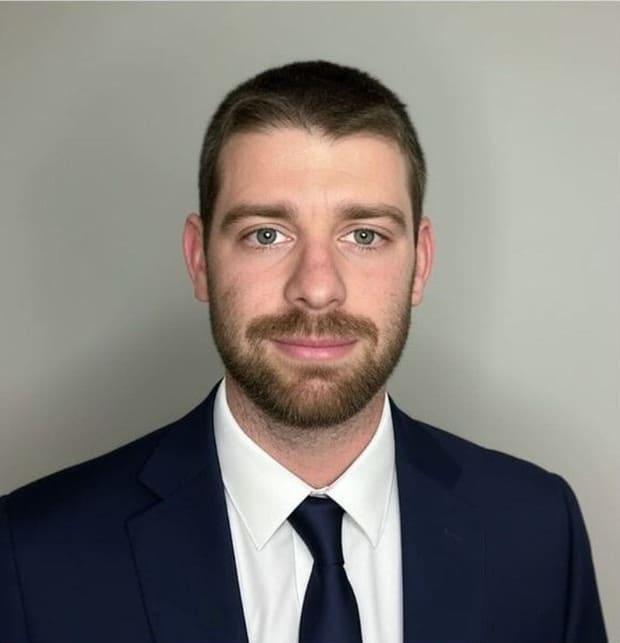
Dr. Clayton Kubrick, PT, DPT, OCS, RMSK, Cert. DN
Clayton is a Doctor of Physical Therapy at The Hemophilia Center of Western Pennsylvania, where he integrates musculoskeletal ultrasound with physical examination to evaluate joint health, identify acute bleeds, and guide clinical decision‑making for adult and pediatric patients with bleeding disorders. He earned his Registered Musculoskeletal Sonographer (RMSK) credential through the Alliance for Physician Certification & Advancement in 2025 and is certified in Dry Needling through the American Academy of Manipulative Therapy.
Dr. Kubrick is a member of the Sanofi Speaker’s Bureau, providing MSK ultrasound education to hemophilia treatment centers across the United States. His teaching emphasizes practical scanning techniques, standardized protocols, and the incorporation of ultrasound into routine joint‑health assessment.
He is also involved in multiple research studies examining the use of MSK ultrasound to monitor joint integrity, detect early degenerative changes, and future interests to explore ultrasound‑guided dry needling applications in the bleeding‑disorder population. His work focuses on ultrasound‑based scoring systems, synovial proliferation and osteochondral assessment, and the relationship between imaging findings and functional mobility.